How to Check the Air Quality Around You: Look Up the ISPU Before Heading Out!
This English translation is a draft and is still under review.
Have you ever felt that the air around your home seems hotter, the sky looks hazy, or breathing feels less comfortable when you are active outdoors? Conditions like these should not be ignored. Besides paying attention to our surroundings, we also need to know the air quality through reliable monitoring data.
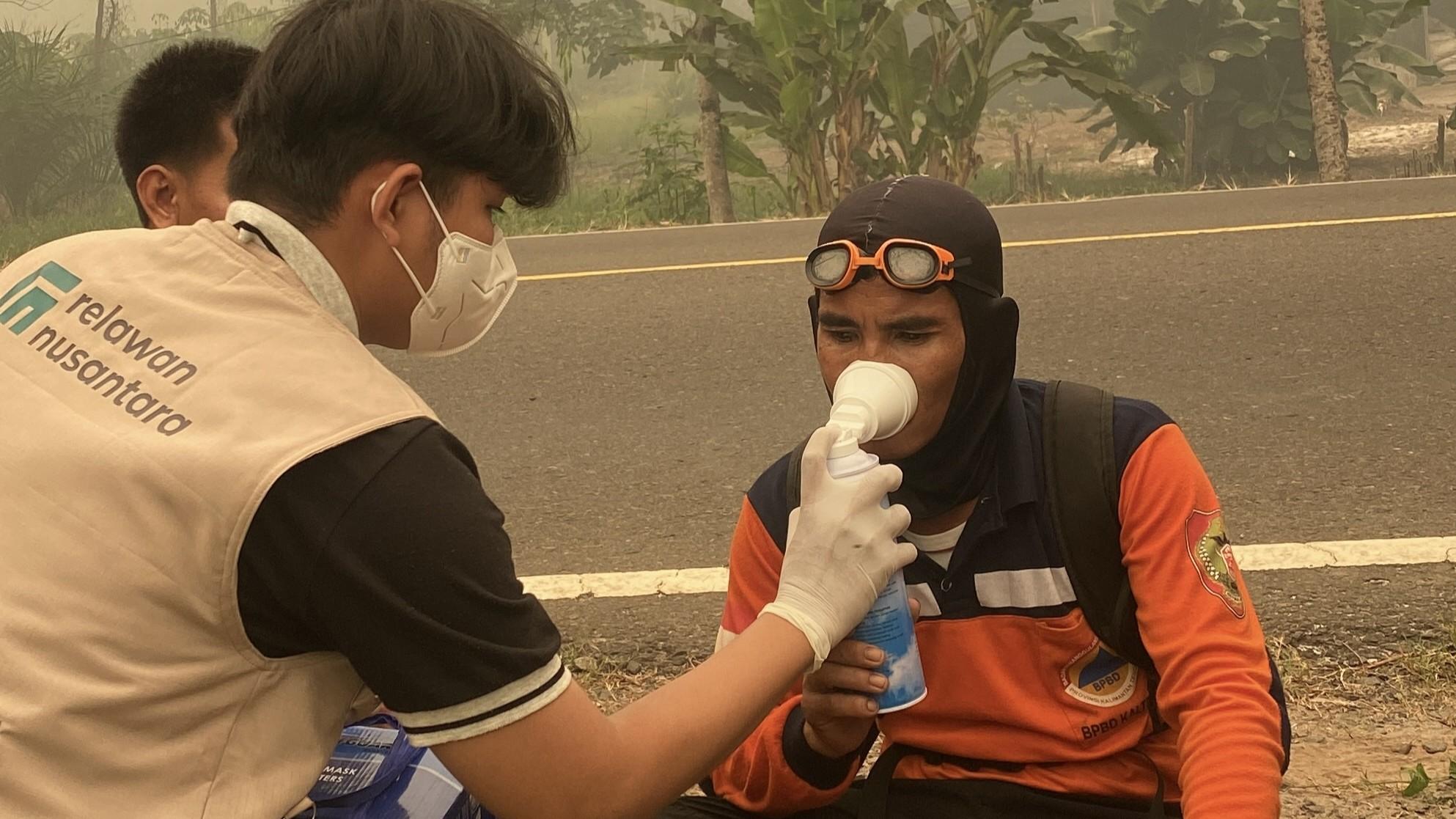
Recently, haze in several parts of Kalimantan Tengah, particularly Palangka Raya, has once again drawn attention. Worsening air quality can increase the risk of health problems, especially for children, pregnant women, the elderly, and people with respiratory diseases.
The good news is that we can monitor air quality online through the Indeks Standar Pencemar Udara, or ISPU (Indonesia's Air Pollutant Standard Index), provided by the Kementerian Lingkungan Hidup, or KLH (Ministry of Environment). By knowing the air conditions before heading out, we can take more appropriate steps to protect ourselves and our families.
What Is ISPU and Why Is It Important to Monitor?
The Air Pollutant Standard Index (ISPU) is a figure that describes the level of air pollution based on the monitoring of certain parameters. This information helps the public understand air conditions and consider steps to protect their health.
Air quality can change at any time, influenced by the activity of pollution sources, fire hotspots, wind direction, and atmospheric conditions. KLH/BPLH stated on 18 September 2026 that air quality information on ISPUNET is updated regularly every 30 minutes.
This means that air that looks fairly clear in the morning does not necessarily have the same quality at midday or in the afternoon. That is why checking the data regularly is a simple and useful habit, especially when haze is blanketing the area.
How to Check the Air Quality Around You Through ISPU
You do not need any special equipment to start monitoring air quality. Follow the steps below.
- Open the official ISPU website
Visit KLH's air quality monitoring page through the following link:
Check the ISPU here: https://ispu.kemenlh.go.id/
Make sure you use an official source of information so that the data you obtain is more reliable.
- Find the area you want to monitor
Look at the list or information on the available monitoring stations. Choose the location most relevant to where you live or carry out your activities, for example Palangka Raya and its surrounding areas.
Keep in mind that the figure from a single monitoring station does not always represent conditions across the whole city. Where available, compare it with other stations located closer to you.
- Look at the ISPU figure and its category
Once you have found the monitoring location, look at the ISPU figure along with its air quality category. Do not just look at the indicator color; also read the figure, the time of the last update, and the pollutant parameters displayed.
- Check again before heading out
Air quality can change along with environmental conditions. If you need to travel, check the latest information again before leaving home, especially when the smoke appears to be thickening or the authorities have issued a health warning.
- Adjust your activities to the air conditions
If air quality worsens, consider reducing outdoor activities, postponing exercise in open areas, and protecting vulnerable groups. If shortness of breath or other severe symptoms appear, seek medical help immediately.
Know the ISPU Categories So You Do Not Misread the Air Conditions
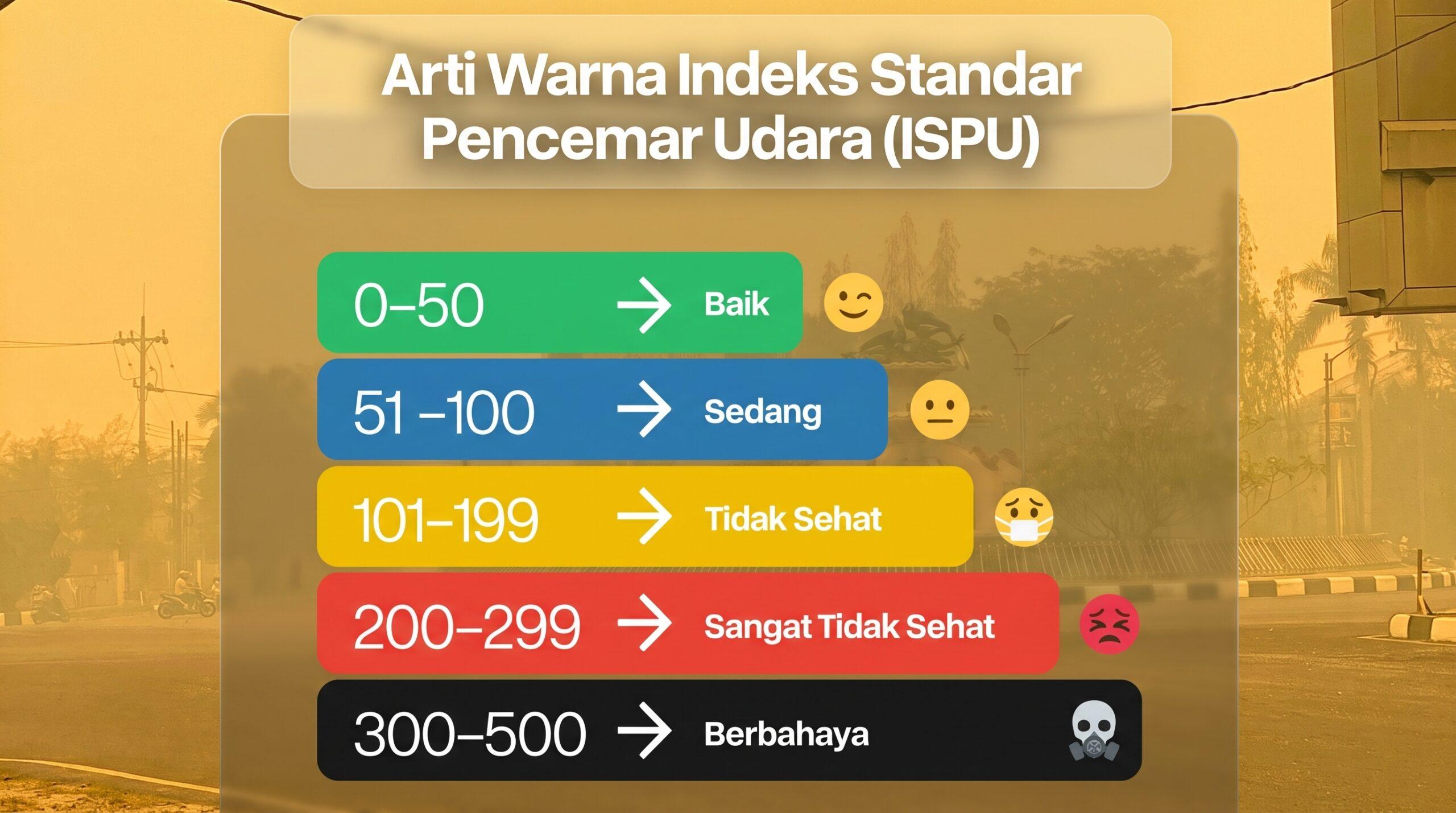
After finding out the ISPU figure, it is also important to understand what it means. Under the ISPU classification in Indonesia, there are five air quality categories:
- 0–50 (Good): The air is safe and has no negative impact on human health or the environment.
- 51–100 (Moderate): Still safe for most people, but highly sensitive groups are advised to be more careful.
- 101–200 (Unhealthy): May harm the health of vulnerable groups and begins to cause discomfort among the general public.
- 201–300 (Very Unhealthy): The risk of health problems rises markedly. Extra precautions are needed.
- > 300 (Hazardous): An emergency condition that can cause serious health effects for the entire population.
These categories are a general guide. If the ISPU figure indicates unhealthy to hazardous conditions, follow the health advisories of the local government and reduce your exposure to polluted air.
What Can We Do to Protect Ourselves?
Staying healthy amid poor air quality does not always have to begin with big steps. The following simple actions can help reduce exposure.
- Reduce outdoor activities when air quality worsens, particularly strenuous exercise.
- Use a suitable respirator mask, such as a tightly fitted N95 or KN95, when you have to be outdoors in smoky conditions.
- Keep the air inside your home clean by closing doors and windows when smoke comes in and using an air purifier if one is available.
- Prioritize the protection of vulnerable groups, especially infants, children, pregnant women, the elderly, and people with heart or lung conditions.
- Watch for health symptoms, such as a worsening cough, wheezing, chest pain, or shortness of breath. Seek medical help immediately if you experience severe symptoms.
If possible, monitor the ISPU regularly and share information from official sources with your family or neighbors. This small step can help the people around us make safer decisions.
Protecting the Air Means Protecting Life
Clean air is a basic need that we often only truly appreciate when its quality deteriorates. Amid haze and changing climate conditions, looking after our health needs to go hand in hand with caring for the environment.
Checking the ISPU before heading out is a first step toward protecting yourself and your family. However, our brothers and sisters in severely affected areas need more protection. Let's help distribute free masks and disaster response aid to communities affected by the haze. With the right information, we can be more alert, protect our families, and help spread awareness among the people around us.
Let's start with ourselves: monitor air quality, follow official advisories, and do not ignore symptoms of health problems. After all, protecting the air is not only about today, but also about a healthier environment for generations to come.
Luaskan ManfaatBe Part of Humanitarian Action
Every contribution you make brings hope, protects the vulnerable, and helps affected communities get back on their feet.
Donate Now